Water Extraction in Woodland Hills, CA
Standing water keeps moving into drywall, cabinets and subfloor for as long as it sits. The extraction crew pulls it out with truck-mounted suction first, then the drying team takes over.
(888) 578-6508Water still spreading? Call for extraction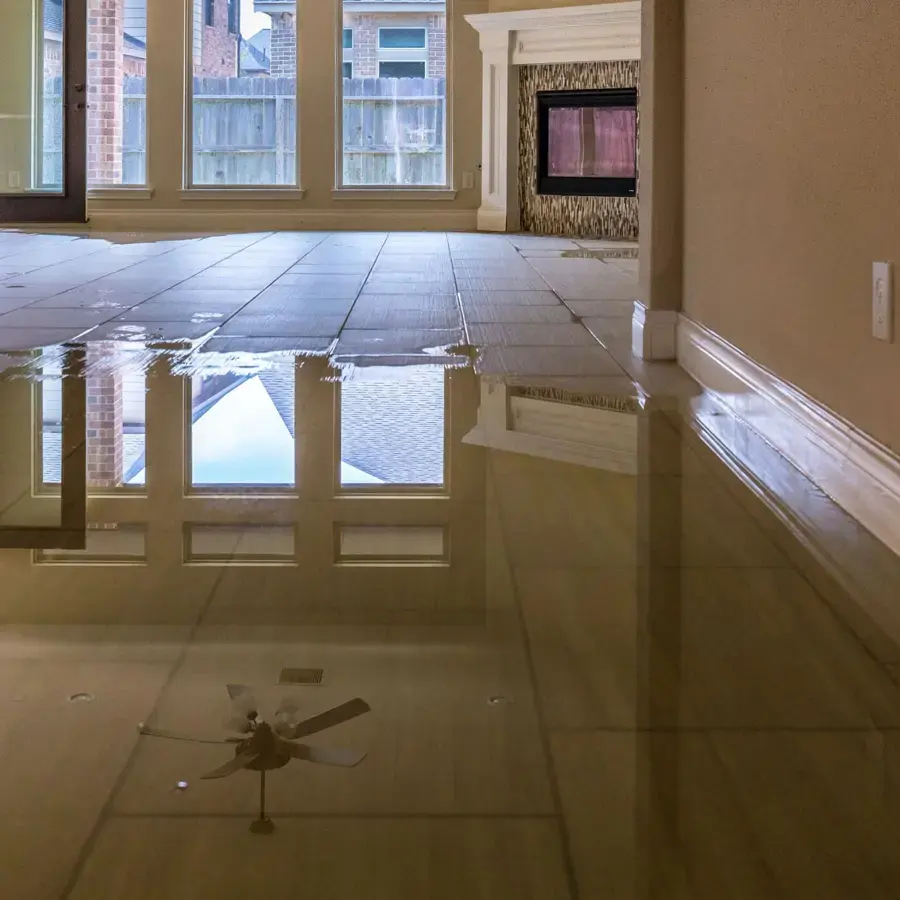
How water extraction is handled in Woodland Hills
Moisture mapped first
The tech who does the walkthrough maps every wet material with pinless meters and thermal imaging before any equipment goes down.
Dried to the S500 goal
The drying team sizes air movers and LGR dehumidifiers to each room and keeps them running until readings reach the drying goal.
Documented for the claim
Daily readings, a moisture map and timestamped photos go into a claim file adjusters can follow.
Before the extraction crew gets there
- 1
Stop the source
Close the main shutoff or the fixture valve, and keep it closed until a plumber has looked.
- 2
Cut power to wet rooms
Switch off breakers for wet rooms, but only from a dry floor at a dry panel.
- 3
Lift what you can
Move rugs, electronics and boxes off the floor and out of the water.
- 4
Photograph everything
Shoot the water line on walls and furniture before anything is moved.
What does water extraction cost in Woodland Hills, CA?
In Woodland Hills, CA, water extraction typically runs $400 to $3,500, depending on how many rooms are wet, how deep the water is and whether pad and baseboard have to come out.
One room, found early
$400 to $1,100- Surface water only
- Carpet wrung in place
- Short equipment run
Several rooms or a garage
$1,100 to $2,300- Pad removed
- Baseboard pulled
- Moisture map and logs
Deep or spreading water
$2,300 to $3,500+- Pumps and truck mount
- Flood cuts
- Leads straight into drying
The drivers are the water category, the square footage, the material class and how fast drying started. For a planning range, try the water damage cost calculator.
The water extraction process, step by step
- Step 1
Map
The tech maps how far the water reached, including under flooring and behind baseboards.
- Step 2
Extract
The extraction crew pulls standing water and wrings carpet and pad with weighted tools.
- Step 3
Open up
Wet pad, soaked baseboard and flood-cut drywall come out where readings demand it.
- Step 4
Dry and verify
Air movers and dehumidifiers run until readings reach the drying goal.
Every hour water sits on a floor, more of it wicks up drywall, soaks into cabinet bases and works down through seams into the subfloor or slab. Extraction is the step that decides how much of a Woodland Hills home has to be dried, and how much has to be torn out. Removing liquid water is many times faster than evaporating it, so the extraction crew gets as much out as possible before the structural drying equipment goes down.
What gets pulled and how
A truck-mounted unit parks outside and runs hose into the house, so the water leaves the building instead of being carried room to room. Inside, the crew uses:
- Wands and floor tools on hard surfaces such as tile, stone and sealed wood
- Weighted extraction tools that press water out of carpet and pad
- Submersible pumps where water stands deep, for example a sunken den or a garage on a sloped lot
- Portable units for upper floors and condos where a hose run from the street is not practical
Carpet pad usually comes out after a loss because it holds water like a sponge and dries slowly. The carpet itself can often be dried in place when the water was clean and extraction started early.
Why the water type matters
Clean water from a supply line or water heater is Category 1. Water that sat for a day or two, or came from a washer drain, is Category 2. Storm runoff and anything from a sewer line is Category 3, and porous materials it touched get removed, not dried. The crew notes the category before extraction starts, because it sets what can be saved. Runoff from the hillside streets south of Ventura Boulevard often carries mud and debris, which is covered on the hillside mudflow page.
After the water is out
Extraction removes the liquid; it does not dry the structure. The tech who does the walkthrough takes readings in walls, floors and cabinets, and the drying team sets air movers and LGR dehumidifiers to match. Mold can start inside 24 to 48 hours on wet materials, so the drying plan starts right after extraction. The EPA page on mold explains why moisture control comes first, and Ready.gov covers safety around standing water and electricity.
Where water extraction is handled around Woodland Hills
The Woodland Hills restoration crew works ZIP codes 91364 and 91367, from the Serrania hillsides and the Ventura Boulevard corridor to Warner Center and Walnut Acres, plus Tarzana, West Hills, Canoga Park and Calabasas next door.
See every neighborhood coveredRelated water damage services in Woodland Hills
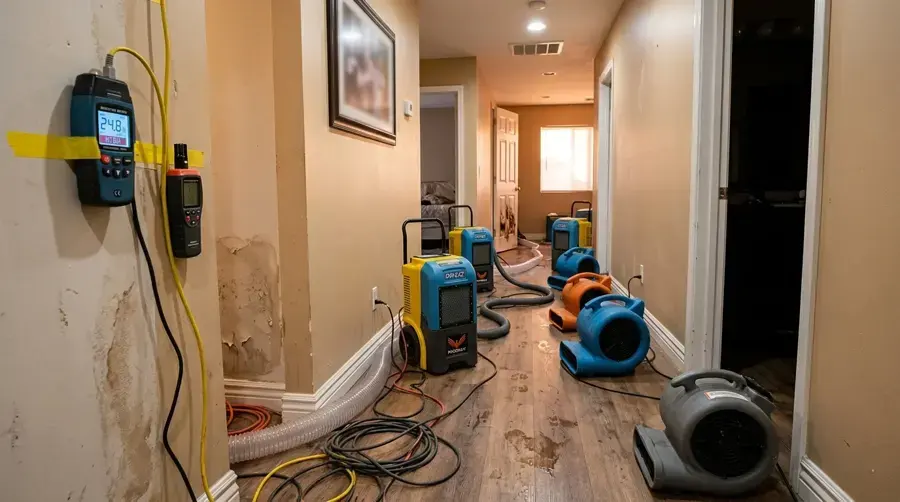 Structural Drying and DehumidificationAir movers and LGR dehumidifiers run until readings reach the drying goal.View service
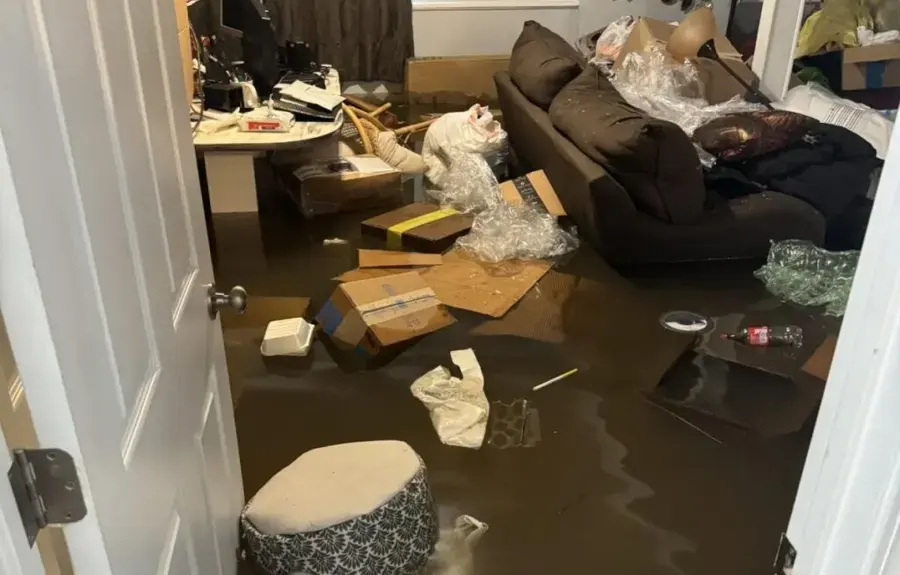 Storm Flood CleanupWinter storm water at door level, pumped out, cleaned and dried to a verified reading.View service
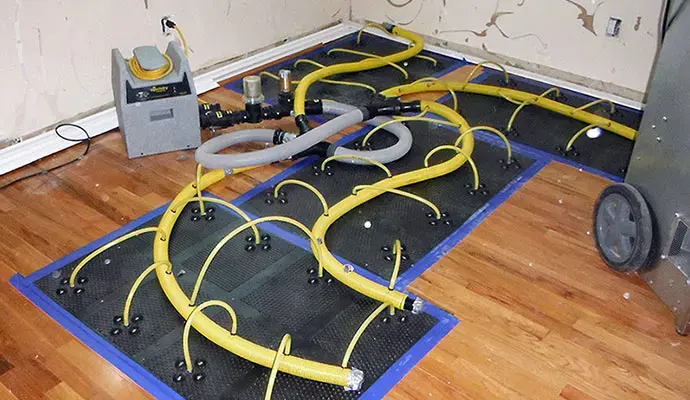 Hardwood Floor Water DamageCupped or crowning wood floors dried with mats and dehumidifiers where they can be saved.View service
Water extraction questions in Woodland Hills
Q1How fast should standing water be removed?
As soon as possible. Water keeps wicking into drywall, cabinets and subfloor while it sits, and mold can start inside 24 to 48 hours. Extraction early in the loss usually means less material has to be removed.
Q2Can I use a shop vacuum instead?
A shop vacuum can pull surface water from a small area, but it cannot press water out of carpet pad or reach water under flooring. Truck-mounted extraction removes far more water per pass, which shortens the drying time.
Q3Does the carpet have to be thrown away?
Not always. Carpet touched by clean water and extracted early can often be dried in place, though the pad is usually replaced. Carpet touched by sewage or storm runoff is removed.
Q4Is extraction the same as drying?
No. Extraction removes liquid water. Drying removes the moisture left in walls, floors and framing, using air movers and dehumidifiers until readings reach the drying goal.
Q5What if the water came from the unit above?
The extraction crew works each affected unit and logs readings separately, so every owner and association has its own record for the claim.
Q6Will insurance pay for water extraction?
Sudden and accidental water, such as a burst supply line, is commonly covered, while flood water needs flood coverage. Coverage depends on your policy, so it is worth checking with your own insurer.
Standing water in a Woodland Hills home? Call now.
The extraction crew pulls the water, the drying team dries to the IICRC S500 goal, and every reading goes into the claim file.