Hardwood Floor Water Damage in Woodland Hills, CA
Wet hardwood cups within days, but many floors can still be saved. The drying team uses floor mats and dehumidifiers to pull water out of the boards and the subfloor before the damage sets.
(888) 578-6508Wood floor wet or cupping? Call now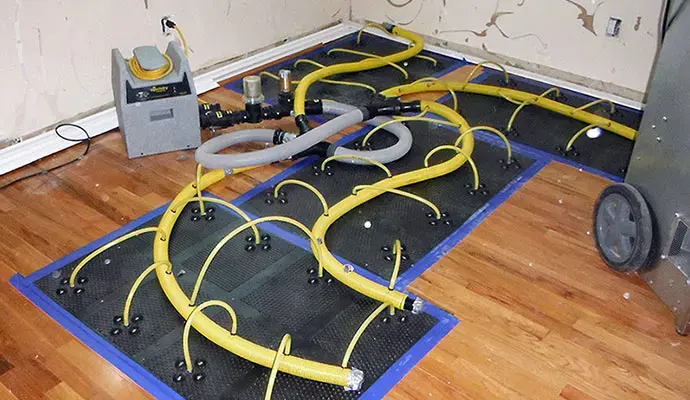
How hardwood floor drying is handled in Woodland Hills
Moisture mapped first
The tech who does the walkthrough maps every wet material with pinless meters and thermal imaging before any equipment goes down.
Dried to the S500 goal
The drying team sizes air movers and LGR dehumidifiers to each room and keeps them running until readings reach the drying goal.
Documented for the claim
Daily readings, a moisture map and timestamped photos go into a claim file adjusters can follow.
When water gets on a wood floor
- 1
Stop the water
Close the fixture valve or the main so no more water reaches the floor.
- 2
Soak up the surface
Towel and wet-vac standing water off the boards right away.
- 3
Pull rugs and furniture
Lift area rugs and furniture legs off the wet boards.
- 4
Leave the heat alone
Avoid space heaters and fans pointed at the boards; fast uneven drying cracks wood.
What does hardwood floor drying cost in Woodland Hills, CA?
In Woodland Hills, CA, hardwood floor drying typically runs $1,500 to $6,500, depending on how many square feet got wet, whether the floor sits on a slab or a raised subfloor and how long the water sat.
One room, caught early
$1,500 to $2,800- Surface extraction
- Drying mats
- Four to six days
Several rooms
$2,800 to $4,800- More mats and dehumidifiers
- Subfloor checks
- Daily logs
Slab or long exposure
$4,800 to $6,500+- Desiccant drying
- Some boards removed
- Extended run
The drivers are the water category, the square footage, the material class and how fast drying started. For a planning range, try the water damage cost calculator.
The hardwood floor drying process, step by step
- Step 1
Measure
The tech takes readings in the boards and the subfloor and a dry reference.
- Step 2
Extract
The extraction crew pulls surface water and water from the gaps.
- Step 3
Mat and seal
Drying mats and tented plastic pull water up through the boards.
- Step 4
Verify
Readings are logged daily until boards and subfloor meet the goal.
Hardwood is common across Woodland Hills, from original oak floors in the older ranch homes of Walnut Acres to engineered wood in hillside remodels and Warner Center condos. Wood takes on water fast through its edges and the gaps between boards, and the bottom of each board swells before the top. That is what cupping is: board edges rising higher than the centers. Left wet, the damage sets, finishes break down and boards can separate from the subfloor.
Can the floor be saved?
Often it can, when drying starts early and the water was clean. The deciding factors are:
- How long the water sat on and under the boards
- Whether the water was clean, gray or black; boards touched by sewage or storm runoff are removed
- Solid or engineered wood; engineered layers can delaminate
- What sits under the floor: a raised wood subfloor dries differently from a concrete slab
How wood floors are dried
The drying team places floor drying mats on the wet boards and connects them to a vacuum or pressure system that pulls water up through the wood. LGR or desiccant dehumidifiers run in the room, often under tented plastic to focus the dry air. Drying wood too fast with heat or direct fans can crack boards, so the aim is steady, controlled drying. Readings in the boards and the subfloor are compared with a dry reference in the same house, and a floor usually needs four to seven days. Some cupping relaxes as the floor dries; the refinish decision waits until readings are stable. Floors over a wet slab are covered on the slab leak page.
Refinishing and the claim
A flooring contractor decides on sanding or replacement after the floor is dry and stable. The file carries readings for the boards and subfloor, photos of cupping before drying and the moisture map. The EPA explains why prompt drying matters, and University of California Agriculture and Natural Resources publishes research on moisture in wood. Coverage depends on your policy, so it is worth checking with your own insurer.
Where hardwood floor drying is handled around Woodland Hills
The Woodland Hills restoration crew works ZIP codes 91364 and 91367, from the Serrania hillsides and the Ventura Boulevard corridor to Warner Center and Walnut Acres, plus Tarzana, West Hills, Canoga Park and Calabasas next door.
See every neighborhood coveredRelated water damage services in Woodland Hills
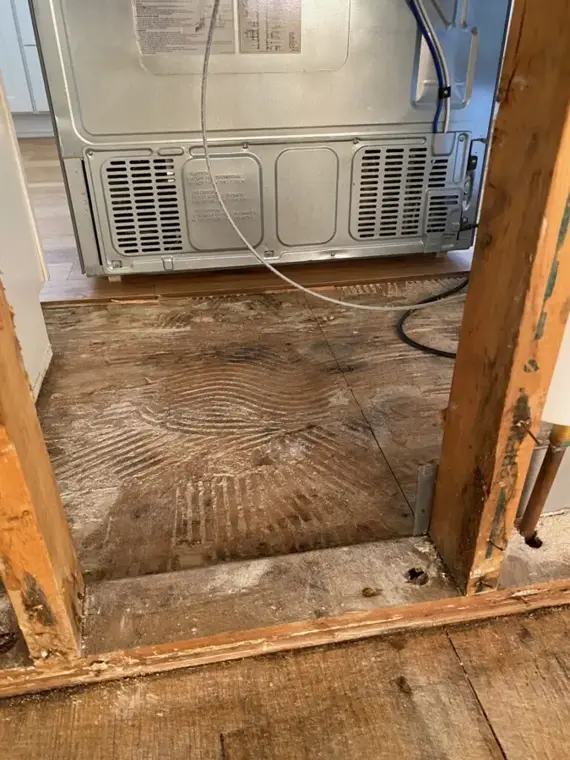 Slab Leak Water DamagePinholes in copper under older ranch slabs, traced with thermal imaging and dried.View service
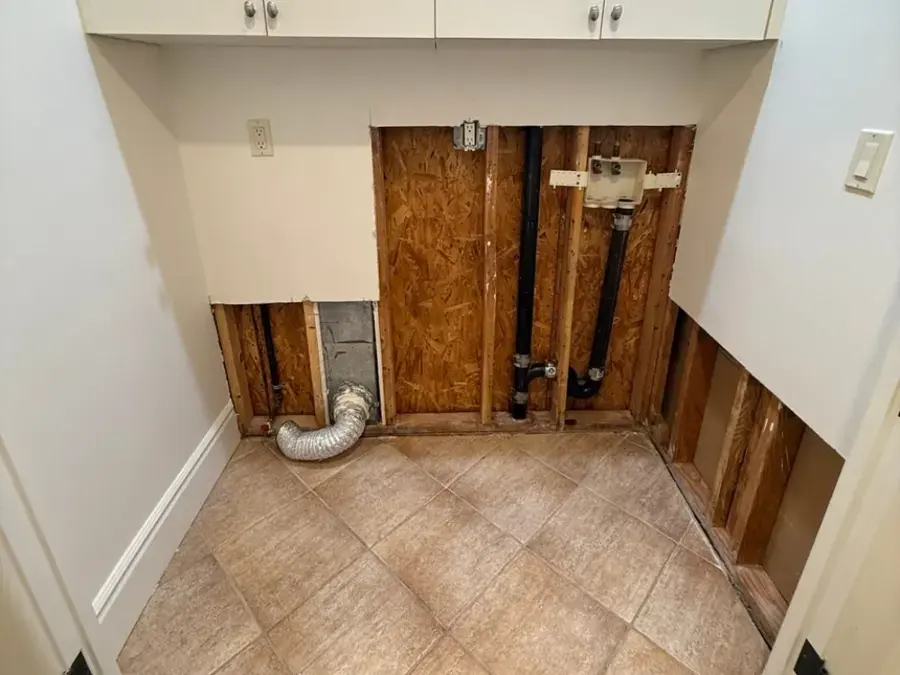 Appliance and Supply Line LeaksWasher hoses, fridge lines, dishwasher feeds and toilet supplies that let go.View service
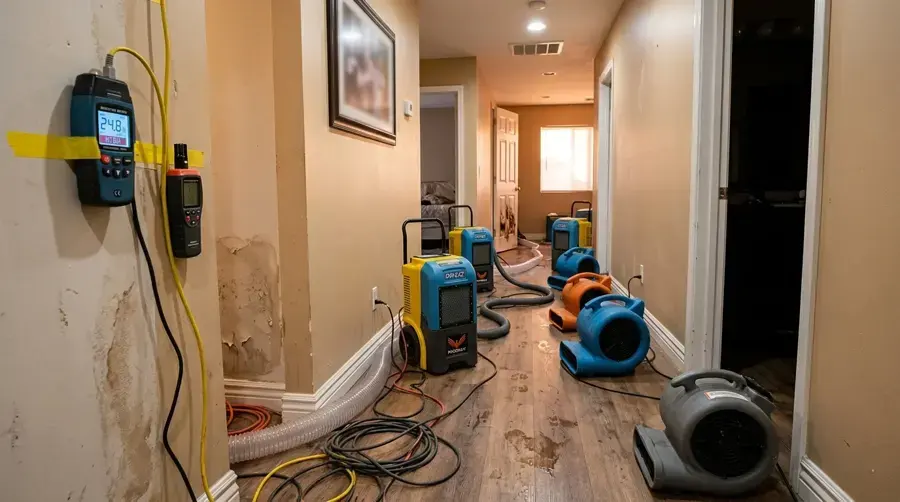 Structural Drying and DehumidificationAir movers and LGR dehumidifiers run until readings reach the drying goal.View service
Hardwood floor drying questions in Woodland Hills
Q1What is cupping in a hardwood floor?
Cupping is when the edges of each board rise higher than the center. It happens because the bottom of the board takes on water and swells before the top. It is a sign the floor is wet underneath.
Q2Should I sand a cupped floor right away?
No. Sanding a floor that is still wet can leave the boards crowned once they dry. Refinishing waits until readings are back near a dry reference and stable.
Q3Can engineered hardwood be dried?
Sometimes. Engineered floors can be dried with mats and dehumidifiers when caught early, but the layers can delaminate if water sat for long.
Q4Why not just use fans and heaters?
Fast, uneven drying from direct heat or fans can crack and split boards. Controlled drying with mats and dehumidifiers pulls water out evenly.
Q5How long does hardwood take to dry?
Usually four to seven days with mats and dehumidifiers. Floors over a wet slab or floors that sat wet for days take longer.
Q6Does insurance pay for hardwood floor drying?
Drying after a sudden leak is commonly covered, and the file shows whether the boards could be saved. Coverage depends on your policy, so it is worth checking with your own insurer.
Wet hardwood in a Woodland Hills home? Call now.
The drying team puts mats and dehumidifiers on the floor, logs readings daily and gives the boards the best chance of being saved.