Roof Leak Water Damage in Woodland Hills, CA
After a long dry summer, the first winter storm finds every cracked tile and tired flashing. The drying team follows the water from the attic down and dries each layer it soaked.
(888) 578-6508Water through the ceiling? Call now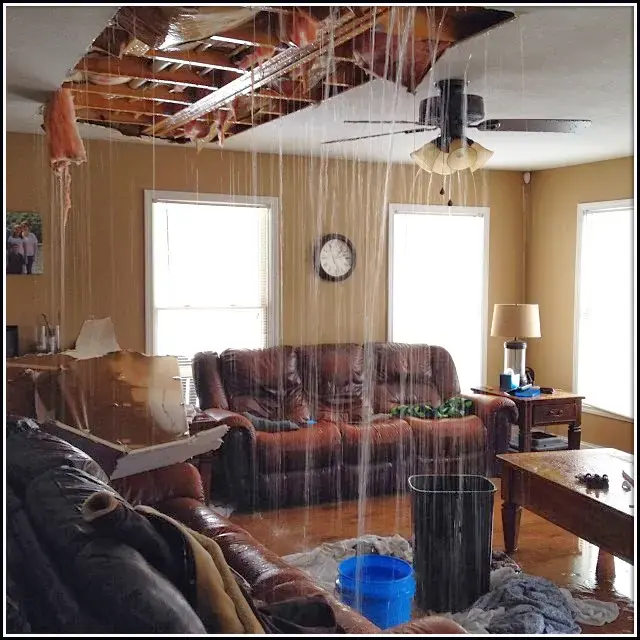
How roof leak water damage is handled in Woodland Hills
Moisture mapped first
The tech who does the walkthrough maps every wet material with pinless meters and thermal imaging before any equipment goes down.
Dried to the S500 goal
The drying team sizes air movers and LGR dehumidifiers to each room and keeps them running until readings reach the drying goal.
Documented for the claim
Daily readings, a moisture map and timestamped photos go into a claim file adjusters can follow.
While the roof is still leaking
- 1
Catch the water
Put buckets under drips and move furniture and rugs out of the way.
- 2
Poke a sagging bubble
A water bubble in the ceiling paint can be drained with a small hole into a bucket.
- 3
Stay off the roof
A wet roof in a storm is a fall risk; tarping waits for a safe window.
- 4
Photograph inside and out
Shoot ceiling stains, drips and any visible roof damage.
What does roof leak water damage cost in Woodland Hills, CA?
In Woodland Hills, CA, roof leak water damage restoration typically runs $1,000 to $7,000, not counting the roof repair, depending on how much insulation and ceiling drywall got wet and how many rooms the water reached.
One ceiling spot
$1,000 to $2,200- Small ceiling opening
- Attic check
- Short drying run
Attic and one or two rooms
$2,200 to $4,500- Wet insulation removed
- Ceiling drywall cut
- Daily logs
Widespread storm leak
$4,500 to $7,000+- Several rooms
- Walls and flooring
- Extended drying
The drivers are the water category, the square footage, the material class and how fast drying started. For a planning range, try the water damage cost calculator.
The roof leak water damage process, step by step
- Step 1
Trace
The tech follows the water from the stain back to the attic and the roof deck.
- Step 2
Protect
The roof is tarped when safe, and contents under the leak are moved.
- Step 3
Remove wet material
Soaked attic insulation and sagging ceiling drywall come out.
- Step 4
Dry and verify
Attic and rooms dry until readings meet the goal.
Woodland Hills bakes through summer; the neighborhood has recorded some of the hottest temperatures in Los Angeles County, above 120 degrees in September 2020. Months of heat crack tile underlayment, dry out flashing and open seams on the low-slope and flat roofs common on hillside additions and patio covers. Then an atmospheric-river storm arrives in winter and finds every weak spot at once. Water that gets past the roof usually spends hours in the attic before anyone sees a stain.
Following the water down
A roof leak moves in layers, and each layer is checked:
- The roof deck and rafters around the entry point
- Attic insulation, which soaks up water and hides it
- Ceiling drywall and the texture on top of it
- Wall cavities where water ran down top plates, and the floor below
A roofer repairs the roof. The restoration side starts with a tarp when the roof is wet and dangerous, then traces the water inside with thermal imaging and moisture meters.
Drying attic, ceiling and walls
Wet blown-in or batt insulation holds water against the ceiling, so soaked insulation is removed. Ceiling drywall that sagged or held water comes down; drywall with moderate readings can often dry in place. The drying team uses air movers and LGR dehumidifiers in the rooms and ventilation in the attic, and takes readings daily until materials meet the drying goal. Leaks through a ceiling in a stacked building are covered on the condo water damage page.
Storm damage and the claim
Many policies treat sudden storm damage differently from wear and tear on an old roof, so the file matters: photos of the roof and attic, the moisture map, daily readings and a line-item scope. The National Weather Service Los Angeles office posts storm forecasts for the Valley, and the EPA explains why wet building materials should be dried quickly. Coverage depends on your policy, so it is worth checking with your own insurer.
Where roof leak water damage is handled around Woodland Hills
The Woodland Hills restoration crew works ZIP codes 91364 and 91367, from the Serrania hillsides and the Ventura Boulevard corridor to Warner Center and Walnut Acres, plus Tarzana, West Hills, Canoga Park and Calabasas next door.
See every neighborhood coveredRelated water damage services in Woodland Hills
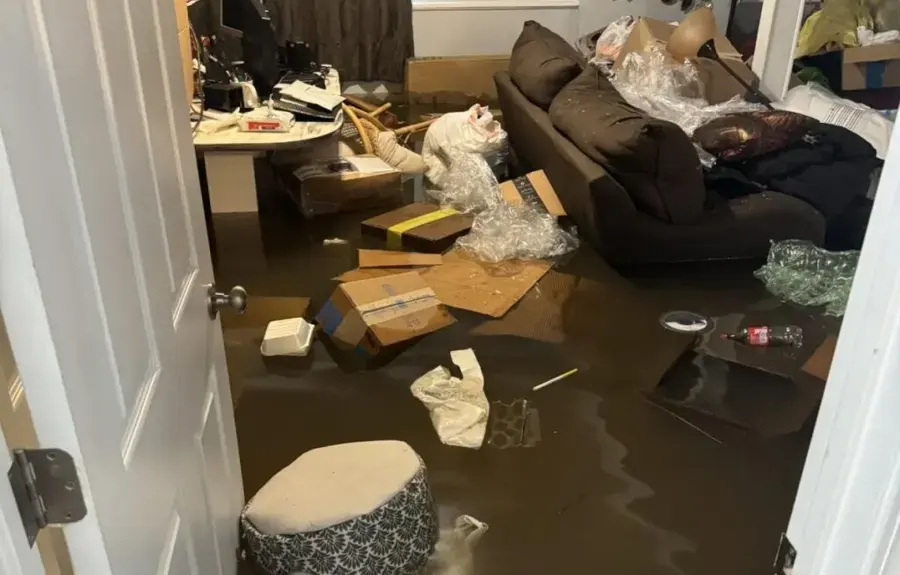 Storm Flood CleanupWinter storm water at door level, pumped out, cleaned and dried to a verified reading.View service
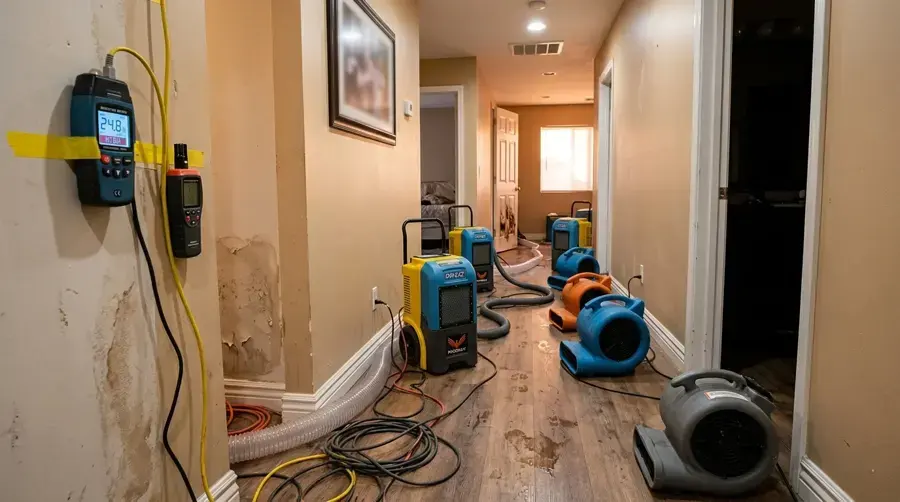 Structural Drying and DehumidificationAir movers and LGR dehumidifiers run until readings reach the drying goal.View service
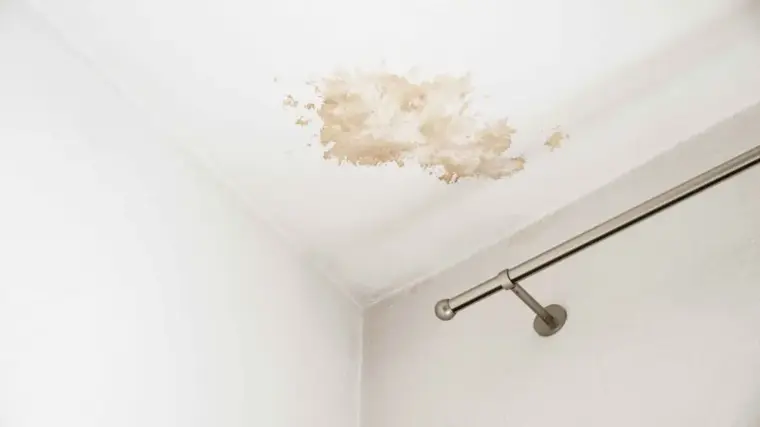 Condo and Apartment Water DamageWarner Center leaks that cross from one unit to the next, logged unit by unit.View service
Roof leak water damage questions in Woodland Hills
Q1Should I drain a water bubble in the ceiling?
If the ceiling paint is bulging with water, a small hole at the lowest point drains it into a bucket and can keep the drywall from collapsing. Stay clear of light fixtures and switch off power to that area first.
Q2Does wet attic insulation have to be replaced?
Usually yes. Soaked insulation holds water against the ceiling and loses its value, so it is removed and replaced after the attic dries.
Q3Can ceiling drywall be dried in place?
Sometimes. Drywall with moderate readings that has not sagged can often be dried with air movers and dehumidifiers. Sagging or crumbling drywall is removed.
Q4Who tarps the roof?
A roofer or the restoration team tarps the roof once it is safe to be on it. The tarp stops more water while the roof repair is scheduled.
Q5Why do roofs leak after the first storm of the season?
Months of summer heat crack underlayment, dry out flashing and open seams on flat and low-slope roofs. The first heavy rain finds those weak spots all at once.
Q6Is roof leak damage covered by insurance?
Sudden storm damage is commonly treated differently from wear on an old roof. Coverage depends on your policy, so it is worth checking with your own insurer.
Roof leaking into a Woodland Hills home? Call now.
The drying team follows the water from the attic down, removes what it soaked and dries each layer to the IICRC S500 goal.