Hillside Mudflow Water Damage in Woodland Hills, CA
When a winter storm sends mud and runoff off the slope and into a lower room or garage, the mitigation team clears the mud, removes what it soaked and dries what is left.
(888) 578-6508Mud in the house? Call the mitigation team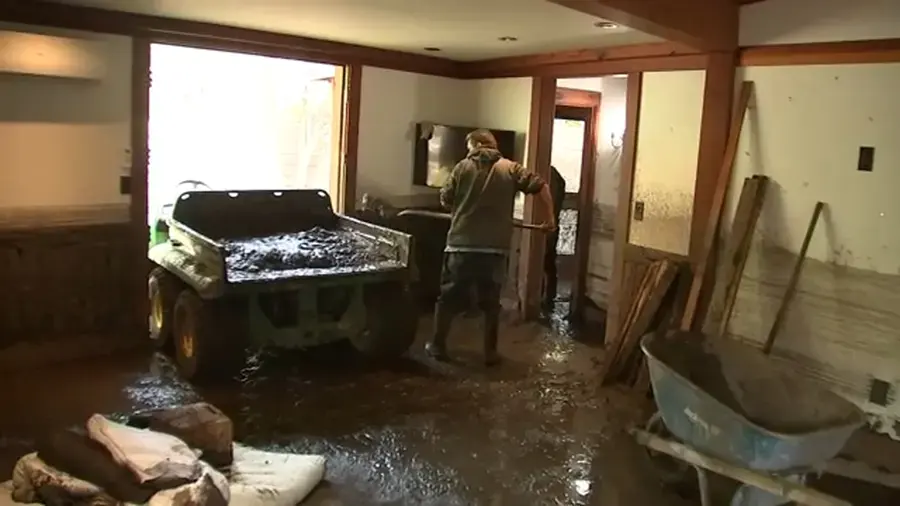
How hillside mudflow cleanup is handled in Woodland Hills
Moisture mapped first
The tech who does the walkthrough maps every wet material with pinless meters and thermal imaging before any equipment goes down.
Dried to the S500 goal
The drying team sizes air movers and LGR dehumidifiers to each room and keeps them running until readings reach the drying goal.
Documented for the claim
Daily readings, a moisture map and timestamped photos go into a claim file adjusters can follow.
When mud and runoff get inside
- 1
Stay off the slope
Keep away from moving earth, retaining walls that are bulging and anything below them.
- 2
Cut power to wet rooms
Switch off breakers for flooded lower rooms if the panel is dry and safe to reach.
- 3
Keep the doors shut
Close interior doors so mud and odor stay in the rooms already affected.
- 4
Photograph the path
Shoot where the water and mud came in, the slope above and the high-water line.
What does hillside mudflow cleanup cost in Woodland Hills, CA?
In Woodland Hills, CA, hillside mudflow cleanup and drying typically runs $3,000 to $15,000 or more, depending on how much mud came in, how many rooms it reached and how much drywall, flooring and insulation has to come out.
Garage or one room
$3,000 to $6,000- Mud cleared
- Lower drywall cut
- Antimicrobial and drying
Lower level of the house
$6,000 to $10,000- Several rooms
- Flooring removed
- Containment
Heavy mud and debris
$10,000 to $15,000+- Deep mud
- Wide material removal
- Extended drying
The drivers are the water category, the square footage, the material class and how fast drying started. For a planning range, try the water damage cost calculator.
The hillside mudflow cleanup process, step by step
- Step 1
Assess
The tech checks the entry path, the wet rooms and what the mud reached.
- Step 2
Clear
The mitigation team shovels and pumps out mud and water, bagging debris.
- Step 3
Remove and clean
Porous materials the mud touched come out, then surfaces are cleaned and treated.
- Step 4
Dry and verify
Air movers and dehumidifiers run until readings meet the drying goal.
South of Ventura Boulevard, Woodland Hills climbs into the Santa Monica Mountains, and many homes sit on cut-and-fill lots with a slope rising behind them. After a long dry summer, the ground takes little water in the first big atmospheric-river storm, so runoff moves fast across yards and down driveways. When a drain clogs, a retaining wall weep hole plugs or the slope sheds soil, that water arrives at the back wall or the garage door carrying mud.
Why mudflow is not a normal flood
Runoff that crossed soil, yards and streets carries bacteria, fertilizer and whatever was on the ground, so the IICRC S500 treats it as Category 3. Mud also fills wall cavities and flooring gaps in a way clean water does not. That changes the job:
- Drywall, insulation, carpet and pad the mud touched are removed, usually with a flood cut above the high-water line
- Hard surfaces are cleaned, then treated with an EPA-registered antimicrobial
- Contents that can be cleaned are moved out of the work area; the rest are listed and photographed
- Containment keeps dust and odor out of the rest of the house
Drying a lower level that sits against a slope
Rooms built into the hillside often have a wall that is below grade on the outside, so moisture can keep coming through after the storm ends. The drying team maps that wall along with the floor, and runs LGR dehumidifiers with air movers until readings reach the drying goal. A slab under a lower room is treated as a Class 4 material and may need desiccant dehumidifiers. If water is still seeping in, the source outside has to be handled before drying can finish, which is why the moisture map is repeated daily.
Safety and the claim file
A slope that is still moving is a job for the city and a geotechnical engineer first. The USGS Landslide Hazards Program explains the warning signs of landslides and debris flows, and LA County Public Works posts storm and debris information for the county. For the claim, the file holds photos of the entry path, the category of the water, the moisture map and a line-item scope. Mud and earth movement are often treated differently from water in a homeowner policy, so it is worth checking with your own insurer. The storm flood cleanup page covers water without mud.
Where hillside mudflow cleanup is handled around Woodland Hills
The Woodland Hills restoration crew works ZIP codes 91364 and 91367, from the Serrania hillsides and the Ventura Boulevard corridor to Warner Center and Walnut Acres, plus Tarzana, West Hills, Canoga Park and Calabasas next door.
See every neighborhood coveredRelated water damage services in Woodland Hills
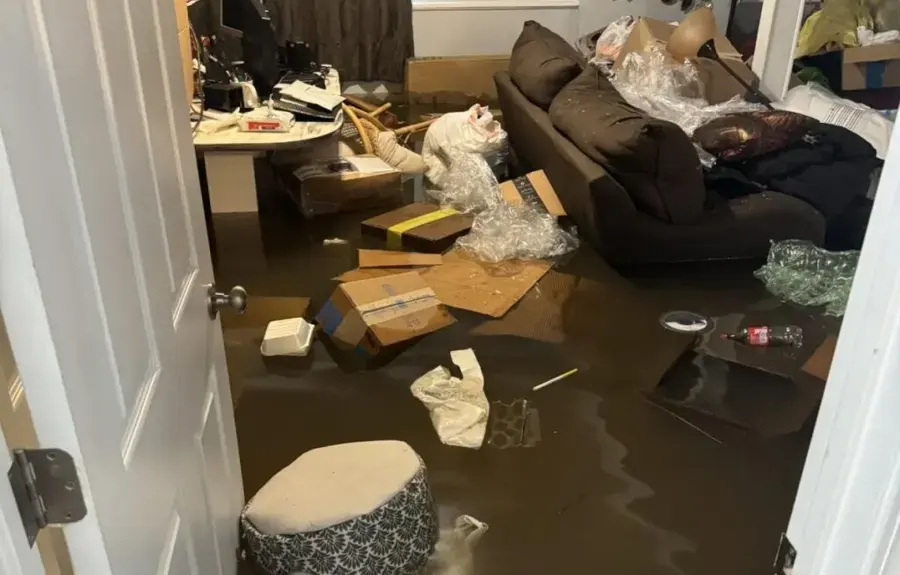 Storm Flood CleanupWinter storm water at door level, pumped out, cleaned and dried to a verified reading.View service
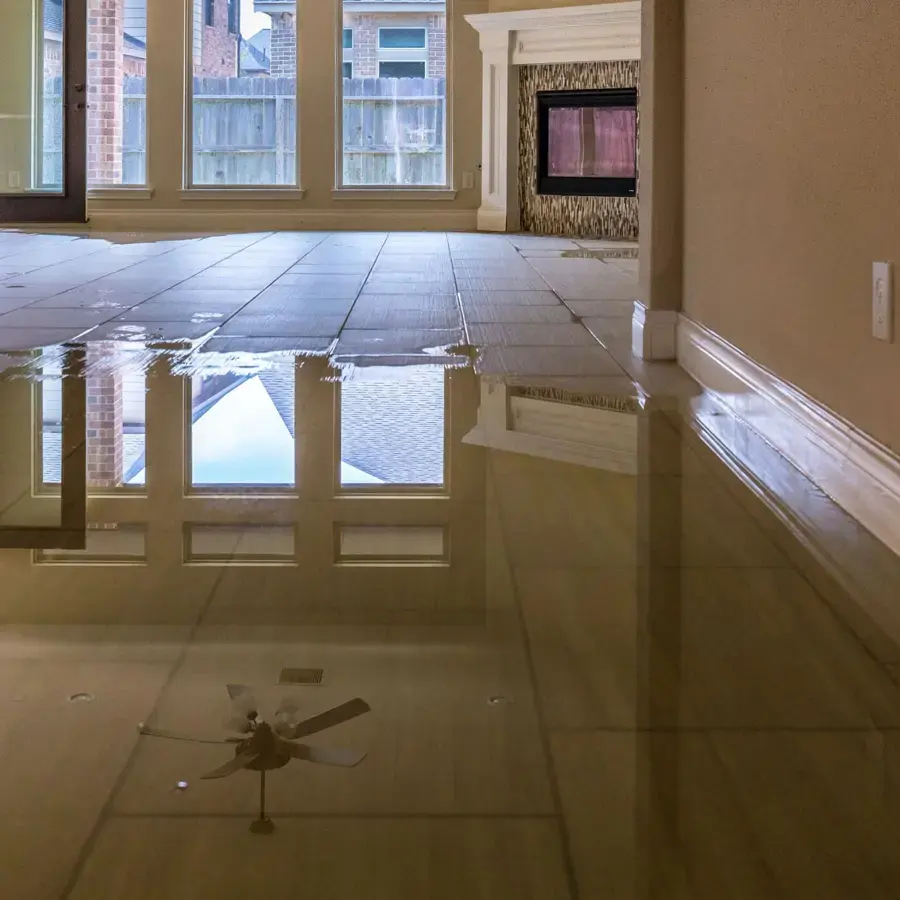 Water Extraction and RemovalTruck-mounted extraction pulls standing water before it wicks into walls, cabinets and subfloor.View service
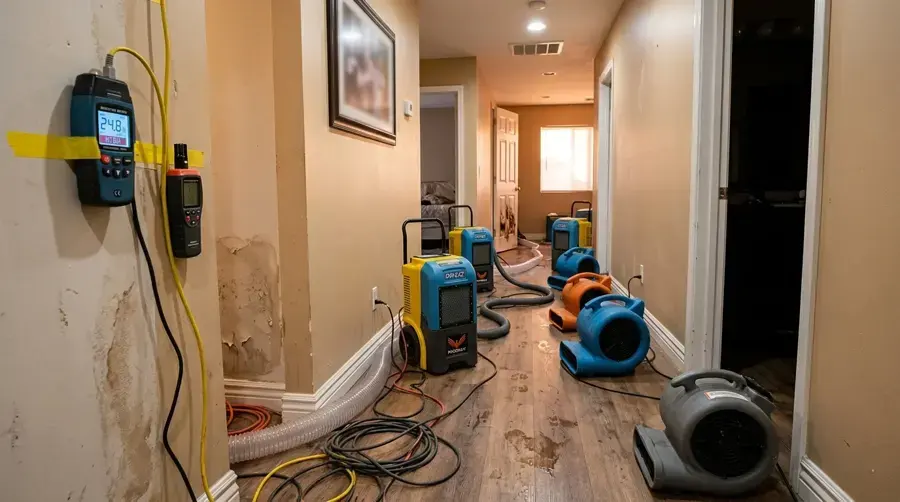 Structural Drying and DehumidificationAir movers and LGR dehumidifiers run until readings reach the drying goal.View service
Hillside mudflow cleanup questions in Woodland Hills
Q1Why is mud in the house treated like sewage?
Runoff that crossed soil and streets carries bacteria and whatever was on the ground, so it is Category 3 water. Porous materials it touched are removed, and surfaces are cleaned and treated before drying.
Q2Can the drywall be saved after a mudflow?
Usually not where the mud and water touched it. The mitigation team cuts drywall above the high-water line, removes wet insulation and dries the framing behind it.
Q3What should I do about the slope itself?
Stay away from a slope that is moving or a retaining wall that is bulging. The city and a geotechnical engineer look at the slope; the restoration work inside the house starts once it is safe to enter.
Q4How long does a hillside lower level take to dry?
A room against a slope often takes five to eight days, longer if the slab is saturated or water is still seeping through the back wall. Equipment comes out when readings reach the drying goal.
Q5Does homeowners insurance cover mudflow?
Many policies treat mud and earth movement differently from sudden water damage, and flood policies have their own terms. Coverage depends on your policy, so it is worth checking with your own insurer.
Q6How can I lower the risk before the next storm?
Clear yard drains, gutters and retaining wall weep holes before the rainy season, keep downspouts discharging away from the house and watch the slope for new cracks. The hillside runoff risk check walks through these points.
Mud and water inside a Woodland Hills home? Call now.
The mitigation team clears the mud, removes what it soaked and dries the lower level to the IICRC S500 goal, with every reading logged.