Appliance and Supply Line Leaks in Woodland Hills, CA
A washer hose, fridge line or toilet supply can fail while nobody is home. The extraction crew pulls the water out of floors and cabinets, and the drying team dries the walls behind the appliance.
(888) 578-6508Hose or line burst? Call now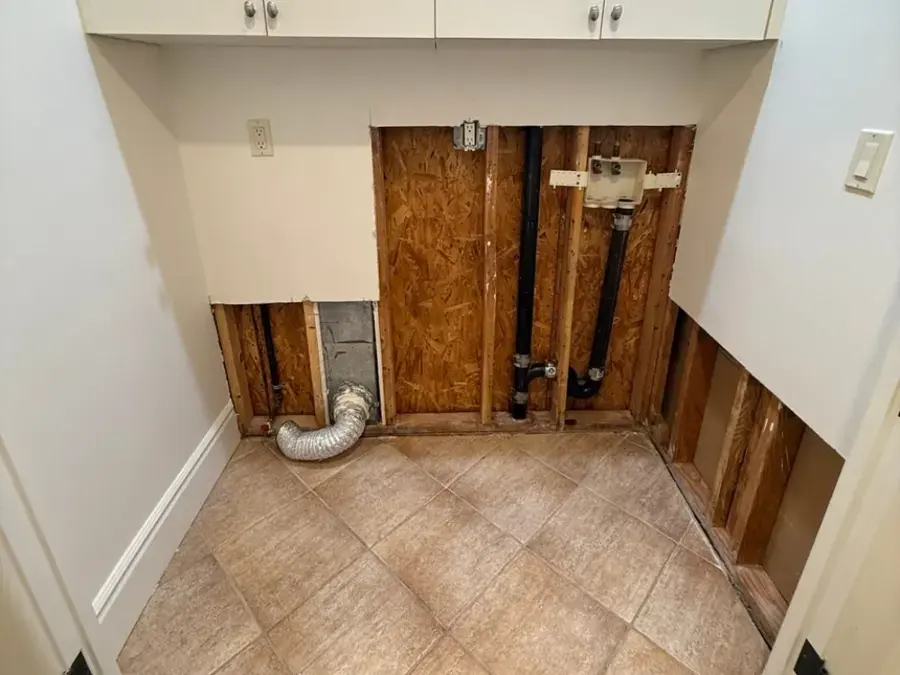
How appliance leak cleanup is handled in Woodland Hills
Moisture mapped first
The tech who does the walkthrough maps every wet material with pinless meters and thermal imaging before any equipment goes down.
Dried to the S500 goal
The drying team sizes air movers and LGR dehumidifiers to each room and keeps them running until readings reach the drying goal.
Documented for the claim
Daily readings, a moisture map and timestamped photos go into a claim file adjusters can follow.
When an appliance line fails
- 1
Close the valve
Shut the valve behind the washer, under the sink or behind the toilet, or close the main.
- 2
Unplug if dry
Unplug the appliance only if the plug and the floor around it are dry.
- 3
Pull the water back
Towels and a mop stop water from running under cabinets and into the next room.
- 4
Photograph the part
Shoot the failed hose or fitting and the wet area before anything is replaced.
What does appliance leak cleanup cost in Woodland Hills, CA?
In Woodland Hills, CA, appliance and supply line leak cleanup typically runs $700 to $5,500, depending on whether the water was clean or gray, how long it ran and whether it reached cabinets or a unit below.
Caught early, one room
$700 to $1,600- Extraction
- Drying in place
- Short run
Under cabinets or flooring
$1,600 to $3,500- Toe kicks off
- Flooring lifted
- Cavity drying
Long leak or unit below
$3,500 to $5,500+- Cabinets pulled
- Ceiling below
- Separate logs
The drivers are the water category, the square footage, the material class and how fast drying started. For a planning range, try the water damage cost calculator.
The appliance leak cleanup process, step by step
- Step 1
Map
The tech maps floors, cabinets and the wall behind the appliance.
- Step 2
Extract
The extraction crew pulls water from flooring and carpet.
- Step 3
Open up
Toe kicks, baseboard or a strip of drywall come off where readings call for it.
- Step 4
Dry and verify
Equipment runs until readings meet the drying goal.
Rubber washer hoses, plastic refrigerator lines, dishwasher feeds and braided toilet supplies all wear out, and in Woodland Hills the hard water and summer heat in garage laundry rooms shorten their life. These parts fail at full water pressure, often while the house is empty, so a small part can put water across a kitchen, under a run of cabinets or through a condo floor into the unit below.
The usual suspects
- Washing machine hoses that split, especially rubber hoses more than five years old
- Refrigerator ice maker lines crushed or cracked behind the fridge
- Dishwasher supply and drain connections under the sink
- Toilet supply lines and fill valves that let go
Supply line water is clean Category 1. Water from a washer drain or a dishwasher is Category 2 because it carries soap and food waste, and pad or porous material it soaked is usually removed.
Drying under cabinets and behind the appliance
Water from an appliance runs under the nearest cabinet and sits there out of sight. The tech who does the walkthrough uses thermal imaging and pinless meters on the cabinet bases, the toe kicks and the wall behind the appliance. The drying team pulls toe kicks or drills small holes to push air into cabinet bases and wall cavities, and runs LGR dehumidifiers in the room. Laminate and vinyl plank often trap water and may need to be lifted. A contained appliance leak often dries in three to four days. See structural drying for how the equipment is set.
Prevention and the claim
Braided stainless hoses, a leak sensor behind the washer and closing the washer valves before a trip cut the risk. The EPA WaterSense program has tips on finding household leaks, and the Consumer Product Safety Commission lists appliance recalls. For the claim, keep the failed part and let the file carry photos, the moisture map and daily readings. Coverage depends on your policy, so it is worth checking with your own insurer.
Where appliance leak cleanup is handled around Woodland Hills
The Woodland Hills restoration crew works ZIP codes 91364 and 91367, from the Serrania hillsides and the Ventura Boulevard corridor to Warner Center and Walnut Acres, plus Tarzana, West Hills, Canoga Park and Calabasas next door.
See every neighborhood coveredRelated water damage services in Woodland Hills
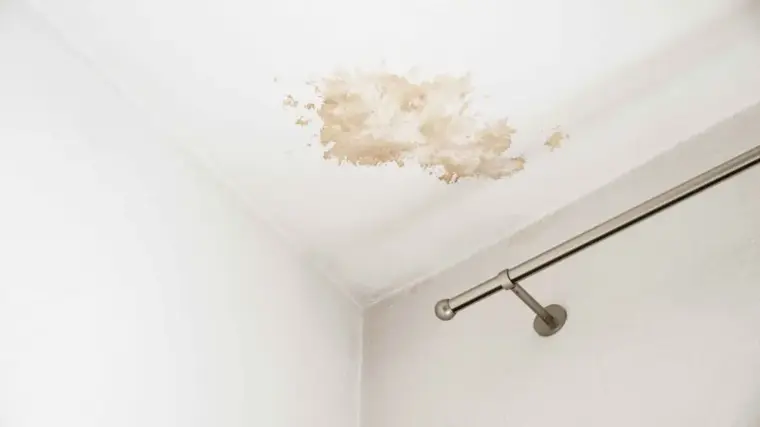 Condo and Apartment Water DamageWarner Center leaks that cross from one unit to the next, logged unit by unit.View service
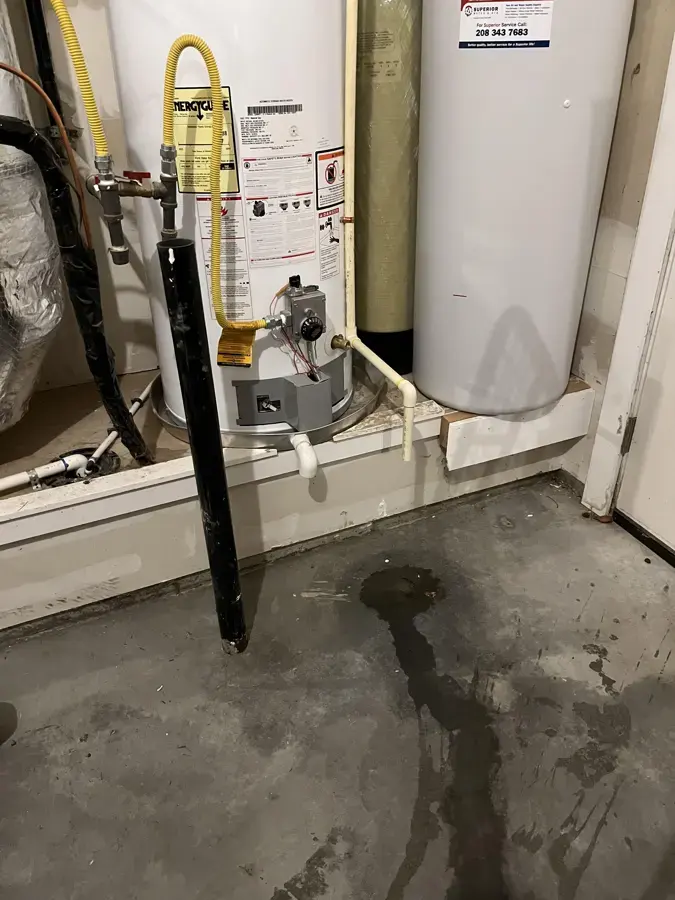 Water Heater Leak CleanupHard-water tanks that fail in garages and closets, caught before the slab soaks.View service
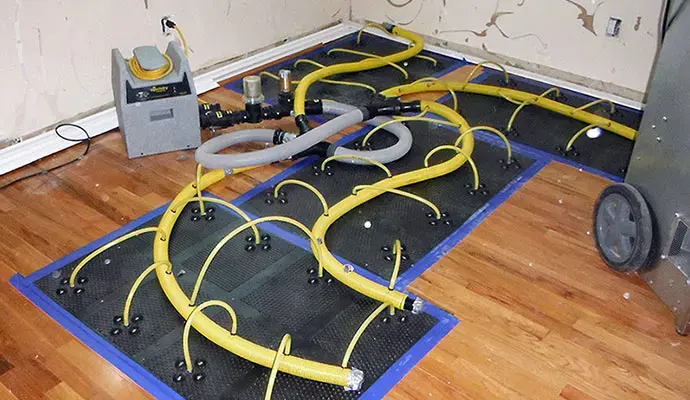 Hardwood Floor Water DamageCupped or crowning wood floors dried with mats and dehumidifiers where they can be saved.View service
Appliance leak cleanup questions in Woodland Hills
Q1How often should washer hoses be replaced?
Rubber hoses are commonly replaced every five years, sooner if they bulge or crack. Braided stainless hoses last longer and fail less suddenly.
Q2Is water from a dishwasher clean water?
Not quite. Dishwasher and washer drain water carries soap and food waste, so it is Category 2. Supply line water to the appliance is Category 1.
Q3Do the kitchen cabinets have to come out?
Usually not. Removing toe kicks or drilling small holes lets air dry the cabinet bases. Cabinets that swelled or delaminated, or sat on a wet slab for a long time, may need to be pulled.
Q4Should I keep the failed hose or line?
Yes. The failed part can matter for the claim and for any manufacturer question, so set it aside with a photo of where it was installed.
Q5How long does drying take after an appliance leak?
A contained leak caught early often dries in three to four days. Leaks under cabinets or into a unit below take longer.
Q6Does insurance cover an appliance leak?
Sudden leaks are commonly covered, while slow leaks over weeks may not be. Coverage depends on your policy, so it is worth checking with your own insurer.
Appliance leak in a Woodland Hills home? Call now.
The extraction crew pulls the water out of floors and cabinets, and the drying team dries the walls behind the appliance to the IICRC S500 goal.